



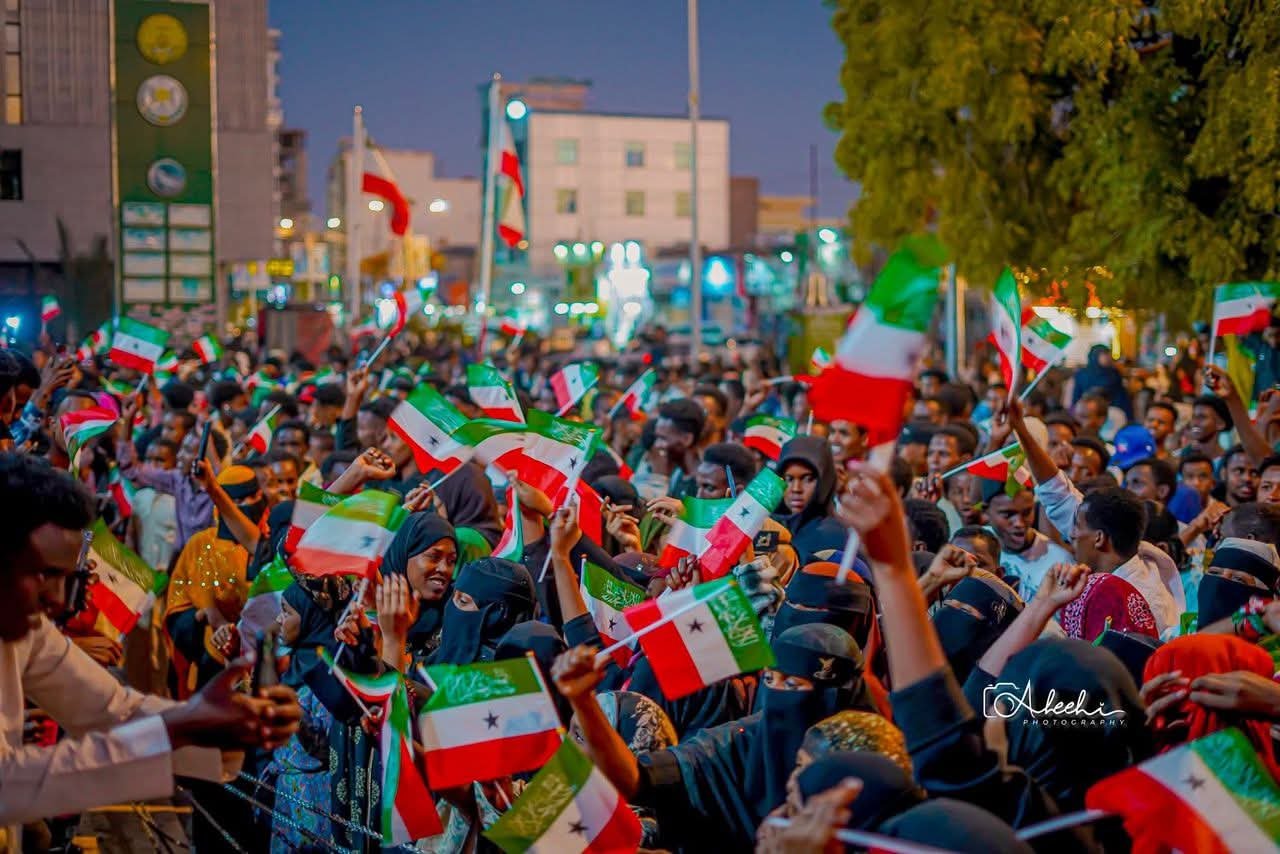

Somaliland: From Colonial Legacies to Modern Identity
IntroductionSomaliland history
Somaliland, located in the northwestern corner of the Horn of Africa, is a land of rich history, diverse landscapes, and resilient people. Despite lacking formal international recognition, Somaliland has developed its own functional government, economy, and culture, making it a remarkable case study in African autonomy. Its journey reflects centuries of external influence—from British, French, and Italian colonization—to the assertion of self-governance in the modern era.
This blog post explores Somaliland’s historical evolution, colonial experiences, post-independence journey, and contemporary significance, offering insights for readers interested in history, culture, and tourism.
Geography and Early Civilization
Diverse Landscapes
Somaliland stretches from the coastal plains of Berbera and Zeila, along the Gulf of Aden, to the rugged highlands surrounding Hargeysa and the Ogo Mountains. Its topography includes arid coastlines, fertile valleys, and mountainous plateaus, each supporting unique flora and fauna.
The region is also home to several rivers and seasonal streams that sustain agriculture and pastoralist communities. Afro-alpine regions, such as the Golis Mountains, are rich in endemic species and attract researchers, birdwatchers, and wildlife enthusiasts.
Early Trade and Culture
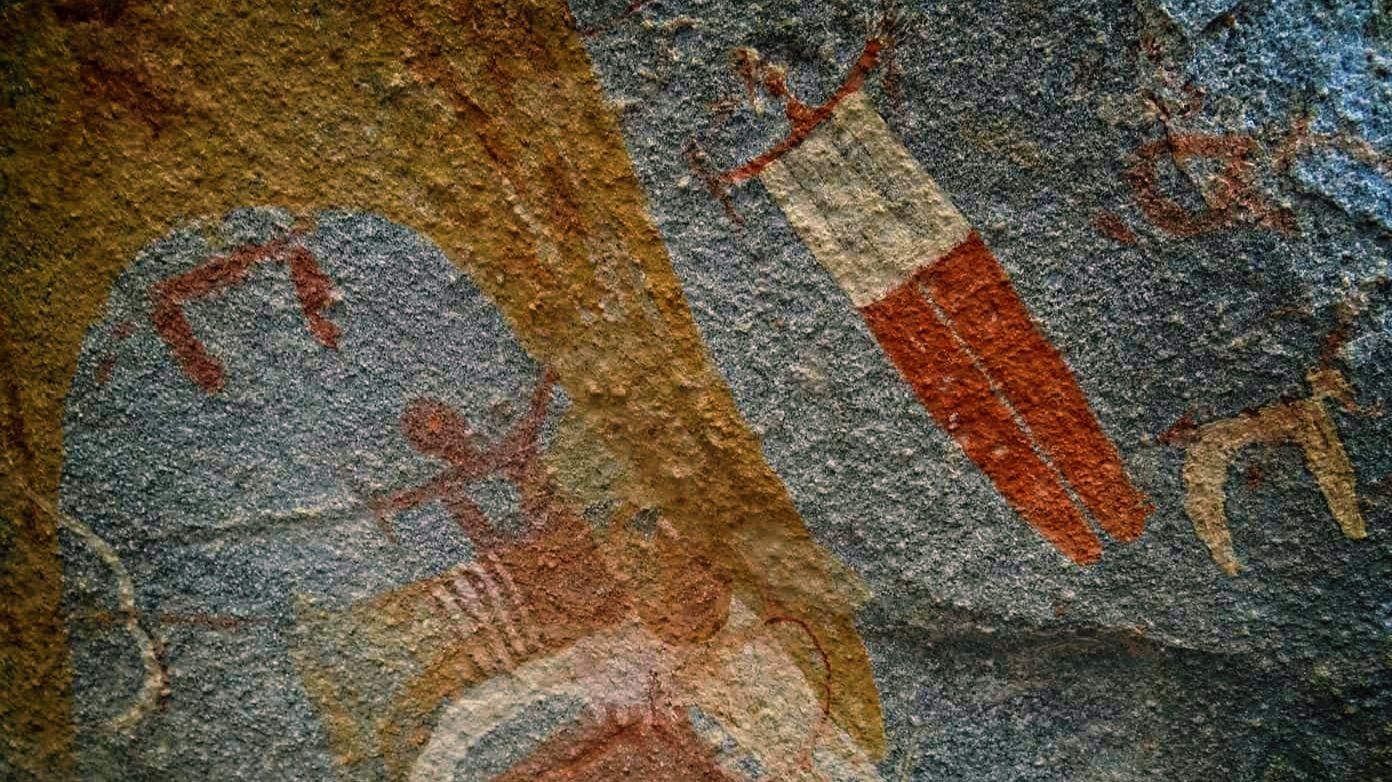
Before colonial encounters, Somaliland had a thriving trade network connecting the Horn of Africa to Arabia, India, and the wider Indian Ocean. Ports like Zeila were critical for exporting frankincense, myrrh, and livestock. Islamic culture spread early, shaping governance, education, and scholarship.
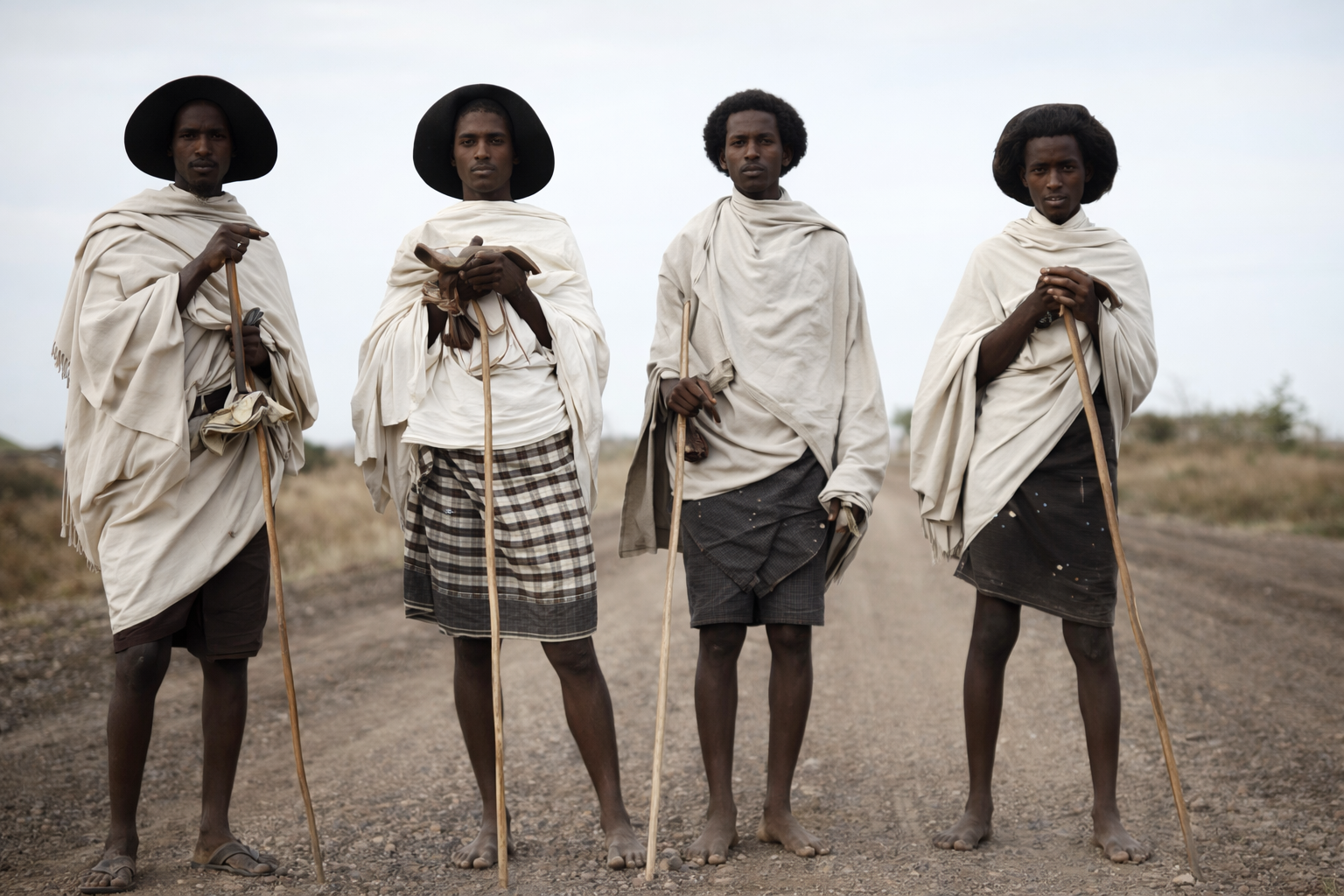
The Somali people in this region maintained clan-based governance, a flexible and resilient system of leadership and conflict resolution that still influences modern Somaliland politics.
British Somaliland (1884–1960)
Protectorate Origins
In 1884, the British Empire established a protectorate in northwestern Somalia, called British Somaliland. Unlike other colonial powers, the British were primarily motivated by strategic interests, particularly controlling trade routes and safeguarding access to the Red Sea and the Gulf of Aden.
Governance and Administration
Indirect rule: British authorities relied on existing Somali clan structures, appointing local leaders to enforce order and manage daily affairs.
Stability: British Somaliland experienced less internal unrest than neighboring colonies, allowing Somali traditions to flourish.
Infrastructure: Although minimal, the British introduced basic administration, policing, and education, setting the foundation for modern governance.
The relatively light-handed British approach left a legacy of stability and autonomy, contrasting sharply with more interventionist colonial administrations elsewhere in Africa.
French Somaliland (1883–1977)
Strategic Importance
To the northeast, the French established French Somaliland, now modern-day Djibouti. The colony served as a strategic point controlling access to the Bab el-Mandeb Strait and the Red Sea.
French Influence
Urbanization: Djibouti City became a major administrative and commercial center.
Education and Language: French schools and bureaucratic systems left lasting cultural influences.
Transportation: Railways and ports linked the colony to Ethiopia, boosting trade and influence.
The French approach contrasted with British indirect rule, emphasizing centralized authority and infrastructure development.
Italian Somaliland (1889–1960)
Colonization and Integration
Southern Somalia fell under Italian control, forming Italian Somaliland. Italy’s colonization was more hands-on, involving infrastructure, plantations, and settlements.
Urban Planning: Roads, ports, and buildings reflected Italian architectural and administrative priorities.
Cultural Influence: Italian language and legal structures influenced urban centers.
Economic Integration: Agriculture and labor projects reshaped local economies.
Italian Somaliland’s intensive administration created different post-independence challenges than those experienced in British Somaliland.
Path to Independence and Union
British Somaliland Independence
On 26 June 1960, British Somaliland gained independence, existing as a sovereign state for five days. This brief period reflected both local aspirations for autonomy and a transitional political reality.
Formation of the Somali Republic
On 1 July 1960, British Somaliland united with Italian Somaliland to form the Somali Republic, pursuing the vision of a “Greater Somalia.” However, cultural, administrative, and colonial legacies soon created friction between north and south, contributing to political instability.
Civil War and the Emergence of Modern Somaliland
The collapse of Somalia’s central government in 1991 led the northwestern region to redeclare independence as the Republic of Somaliland. Despite lacking international recognition, Somaliland has developed:
Its own government and constitution
Independent currency and border controls
Security forces and civil administration
Peaceful, democratic elections
Today, Somaliland is a remarkable example of local governance and resilience, maintaining stability in a region historically marked by conflict.
Colonial Legacies and Cultural Identity
Language and Education
English influence persists in government, schools, and media.
Italian and French colonial traces remain in architecture, education, and legal traditions.
Architecture and Urban Planning
Cities like Hargeysa and Berbera blend colonial-era structures with traditional Somali designs.
Coastal towns reflect Arab, French, and British architectural influences, providing a visual record of the colonial past.
Governance and Administration
Somaliland’s modern government is inspired by British-style indirect rule, incorporating local clan consultation into democratic governance.
This system has helped maintain peace and political stability, unlike many post-conflict states in the region.
Tourism and Cultural Highlights
Hargeysa and Berbera
Hargeysa: Capital city, blending modern governance with traditional markets and historic sites.
Berbera: Coastal port city with colonial-era architecture and maritime heritage.
Natural Landscapes
Bale Mountains and Sanetti Plateau: Ideal for wildlife viewing, including Ethiopian wolves and endemic birds.
Ogo Highlands: Rolling hills, fertile valleys, and panoramic vistas.
Cultural Experiences
Traditional Somali cuisine, markets, and festivals offer travelers immersive cultural experiences.
Historical tours of colonial-era buildings and ancient port towns highlight the region’s layered history.
Modern Somaliland: Autonomy, Resilience, and Future Prospects
Somaliland demonstrates how resilience, cultural continuity, and governance innovation can overcome historical and geopolitical challenges. Its people maintain a distinct identity, balancing tradition and modernity while navigating the complexities of international recognition.
Economically, trade through Berbera port connects Somaliland to global markets.
Politically, democratic institutions provide a model of stability.
Culturally, Somaliland preserves Somali traditions while embracing its colonial and regional history.
Conclusion
Somaliland’s journey—from early trade networks and clan governance, through British, French, and Italian colonial legacies, to its modern status as a self-governing entity—offers lessons in resilience, adaptation, and cultural preservation. It stands as a unique example of peace and autonomy in the Horn of Africa, demonstrating how history shapes modern identity and governance.
Whether you are a historian, traveler, or cultural enthusiast, Somaliland provides rich insights into African history, colonial influence, and the power of local governance to maintain peace and identity amidst regional challenges.





Comment (0)
Leave A Comment: