




Laas Geel: Ancient Rock Art, Community Beliefs, and the Search for Original History
Introduction
Across the arid landscapes of Somaliland, few places capture the depth of human history as powerfully as Laas Geel. Located in the Saaxil region not far from Berbera, Laas Geel is widely regarded as one of the most important rock art sites in Africa and the Horn of Africa.
For travelers, researchers, and local communities alike, Laas Geel represents more than painted caves. It is a meeting point between archaeology, oral tradition, spiritual interpretation, and modern tourism. While scholars study its ancient paintings for clues about early pastoral societies, local communities have long held their own beliefs about the site’s meaning and origins.
This article explores Laas Geel from multiple perspectives:
archaeological research
community beliefs
historical interpretation
and the ongoing effort to preserve its legacy
Discovery and Global Recognition
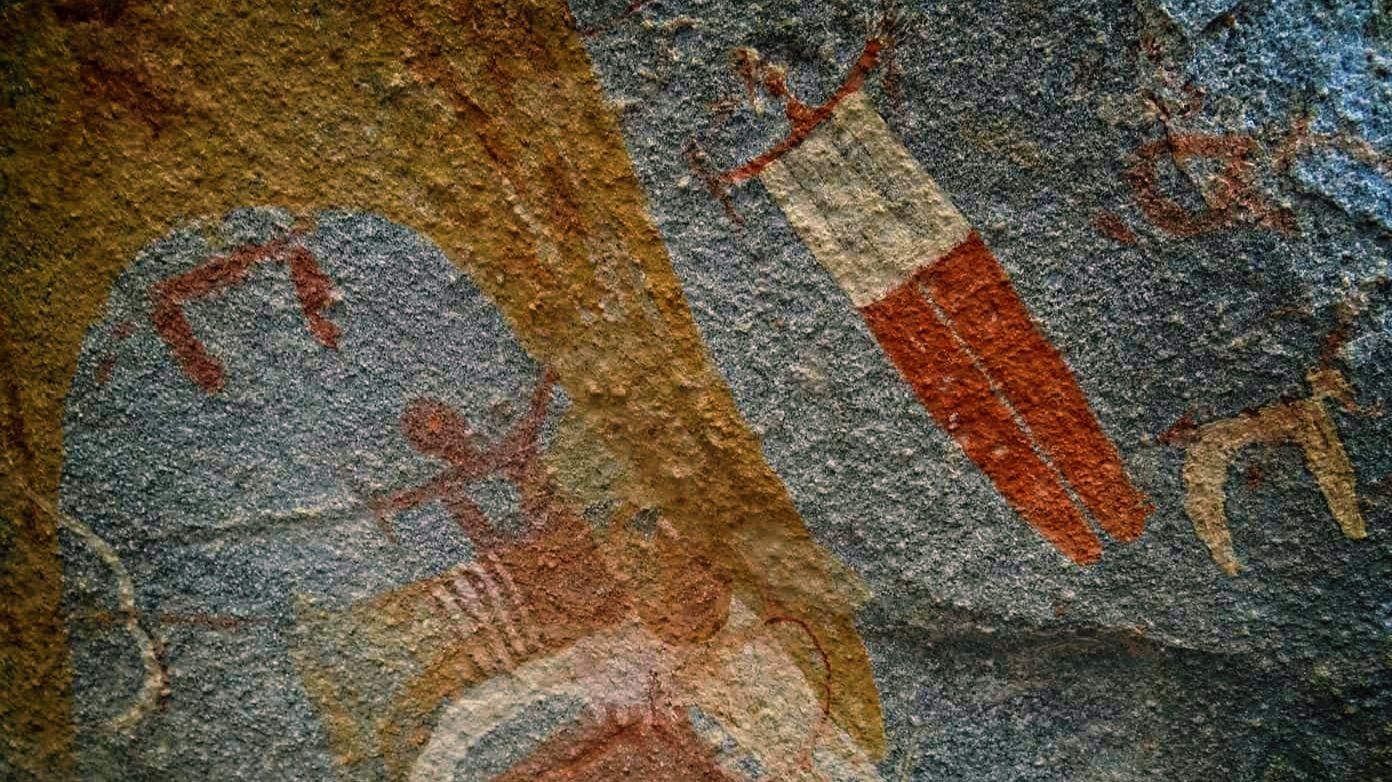
Although known locally for generations, Laas Geel entered international scholarship in the early 2000s when archaeologists formally documented the site. Researchers quickly recognized its exceptional preservation and artistic quality. The cave paintings—depicting cattle, humans, and symbolic motifs—were found to be thousands of years old, likely dating between 3,500 and 5,000 years before present.
The discovery challenged long-held assumptions about the Horn of Africa. Rather than being a peripheral region in early human history, Somaliland emerged as a central location for understanding early pastoral cultures and symbolic art traditions.
Laas Geel’s paintings are remarkable for their:
vivid colors
detailed animal depictions
ceremonial scenes
geometric patterns
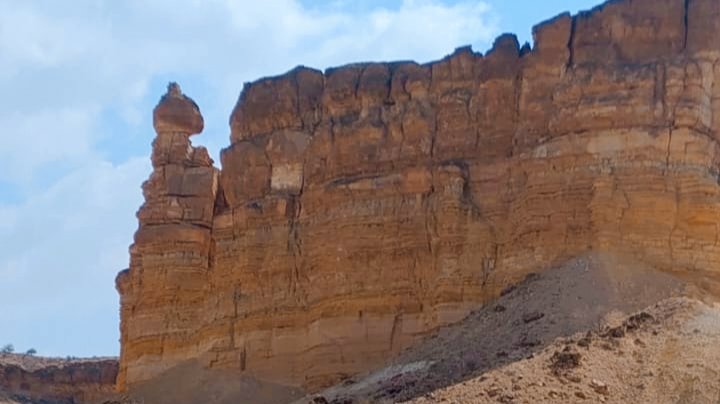
Unlike many ancient sites where paintings have faded, Laas Geel’s artwork remains strikingly clear due to the protective rock shelters and dry climate.
Archaeological Interpretation of the Paintings
From an academic perspective, Laas Geel provides valuable insight into early pastoral societies in the Horn of Africa. The dominant imagery of cattle suggests that livestock held deep economic and symbolic importance. Many paintings show cows decorated with ceremonial markings, possibly indicating ritual or spiritual practices tied to cattle herding.
Researchers interpret the site as evidence of:
early domestication of cattle
ritual gatherings
symbolic communication
spiritual or ceremonial expression
Some scholars believe the paintings may represent rituals of fertility, prosperity, or protection for herds. Others suggest they functioned as markers of identity or territory.
What is clear is that the artists possessed advanced techniques. The pigments, likely derived from natural minerals, were applied with precision. The consistency of style across different caves suggests an organized artistic tradition rather than isolated drawings.
Community Beliefs and Oral Traditions
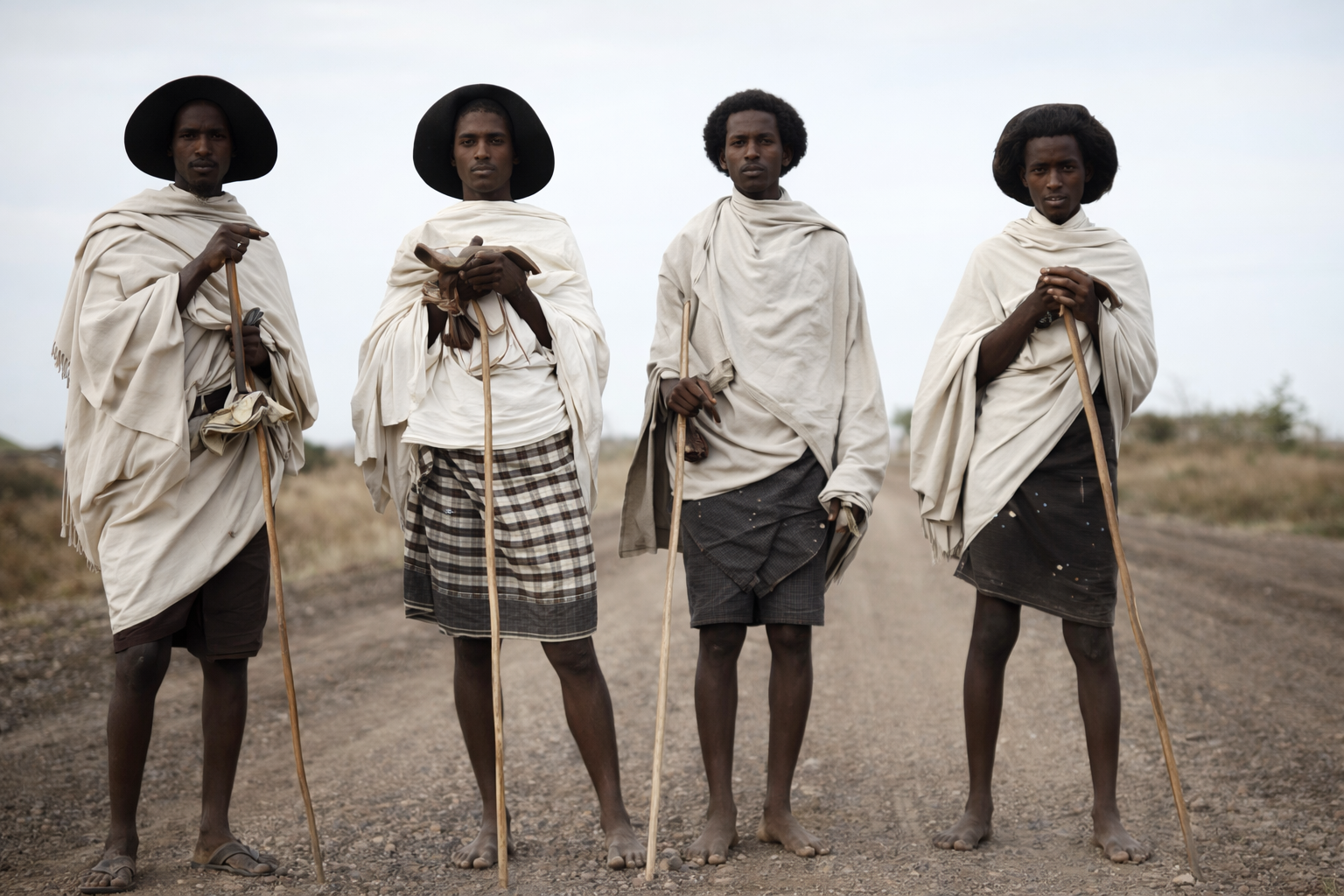
While archaeologists analyze Laas Geel through scientific methods, local communities have long maintained their own interpretations of the site. For many residents in surrounding areas, the caves have been associated with stories of ancient peoples, spiritual presence, or sacred history.
Some oral traditions describe the paintings as:
the work of ancient ancestors
signs left by early pastoral communities
places of spiritual significance
reminders of a time before modern clans
In some accounts, the site was viewed with caution or reverence. Elders often described it as a place that should be respected and protected. Even before formal archaeological research, many local people recognized that the paintings were extremely old and culturally important.
These community beliefs highlight an important reality: historical sites are not only scientific resources but also part of living cultural memory.
Original History vs. Myth
One of the central questions surrounding Laas Geel is how to separate verifiable history from myth or symbolic interpretation. Archaeology provides material evidence—pigments, rock layers, and stylistic comparisons—allowing researchers to estimate dates and cultural context.
However, oral traditions provide insight into how communities understand the past emotionally and culturally. Rather than dismissing these stories, many scholars now see them as complementary perspectives. Together, they create a fuller understanding of how historical sites function within society.
It is important to distinguish:
archaeological evidence (dating, materials, artistic style)
oral tradition (community memory and symbolism)
modern interpretation (tourism and national identity)
Each perspective contributes to Laas Geel’s meaning.
Laas Geel in the Context of Horn of Africa History
The Horn of Africa has long been a crossroads of migration, trade, and cultural exchange. Sites like Laas Geel demonstrate that the region supported complex societies long before written history.
The paintings show that ancient communities:
managed livestock
developed symbolic art
held ritual gatherings
created shared cultural identities
This challenges outdated narratives that portrayed the region as historically isolated. Instead, the evidence suggests vibrant societies connected through pastoral networks and cultural exchange.
Tourism and Cultural Preservation
In recent years, Laas Geel has become one of the most important heritage tourism destinations in Somaliland. Guided visits allow travelers to experience the site while learning about its historical significance. Tourism initiatives aim to balance accessibility with preservation.
Responsible tourism at Laas Geel focuses on:
protecting the paintings from damage
educating visitors
involving local communities
supporting conservation efforts
Local guides play a crucial role in interpreting the site. They share both academic research and community stories, offering visitors a layered understanding of its importance.
Challenges to Preservation
Despite its significance, Laas Geel faces challenges common to many heritage sites:
environmental erosion
limited conservation funding
need for infrastructure
balancing tourism with protection
Efforts by local authorities, cultural organizations, and tourism companies aim to ensure the site remains intact for future generations. Increased global awareness has helped bring attention to its preservation needs.
Cultural Identity and National Heritage
For many Somalilanders, Laas Geel has become a symbol of deep historical roots in the region. It represents continuity between ancient inhabitants and modern communities. The site contributes to national identity, demonstrating that the region’s cultural history extends back thousands of years.
Schools, cultural programs, and tourism campaigns increasingly highlight Laas Geel as a source of pride and education.
Conclusion
Laas Geel stands as one of the most remarkable archaeological sites in Africa. Its paintings provide a window into ancient pastoral life, artistic expression, and spiritual symbolism. At the same time, community beliefs and oral traditions add layers of meaning that cannot be captured through archaeology alone.
Understanding Laas Geel requires a balance between scientific research and cultural respect. By preserving both the physical site and the stories surrounding it, Somaliland continues to protect a heritage that belongs not only to the region but to humanity as a whole.
As research continues and awareness grows, Laas Geel will remain a powerful reminder that the Horn of Africa holds some of the world’s most profound and ancient human stories—painted in stone, preserved by time, and carried forward by the communities who live beside them.



Comment (0)
Leave A Comment: