




Israel’s Recognition of Somaliland: A Milestone in a Long Quest for Statehood
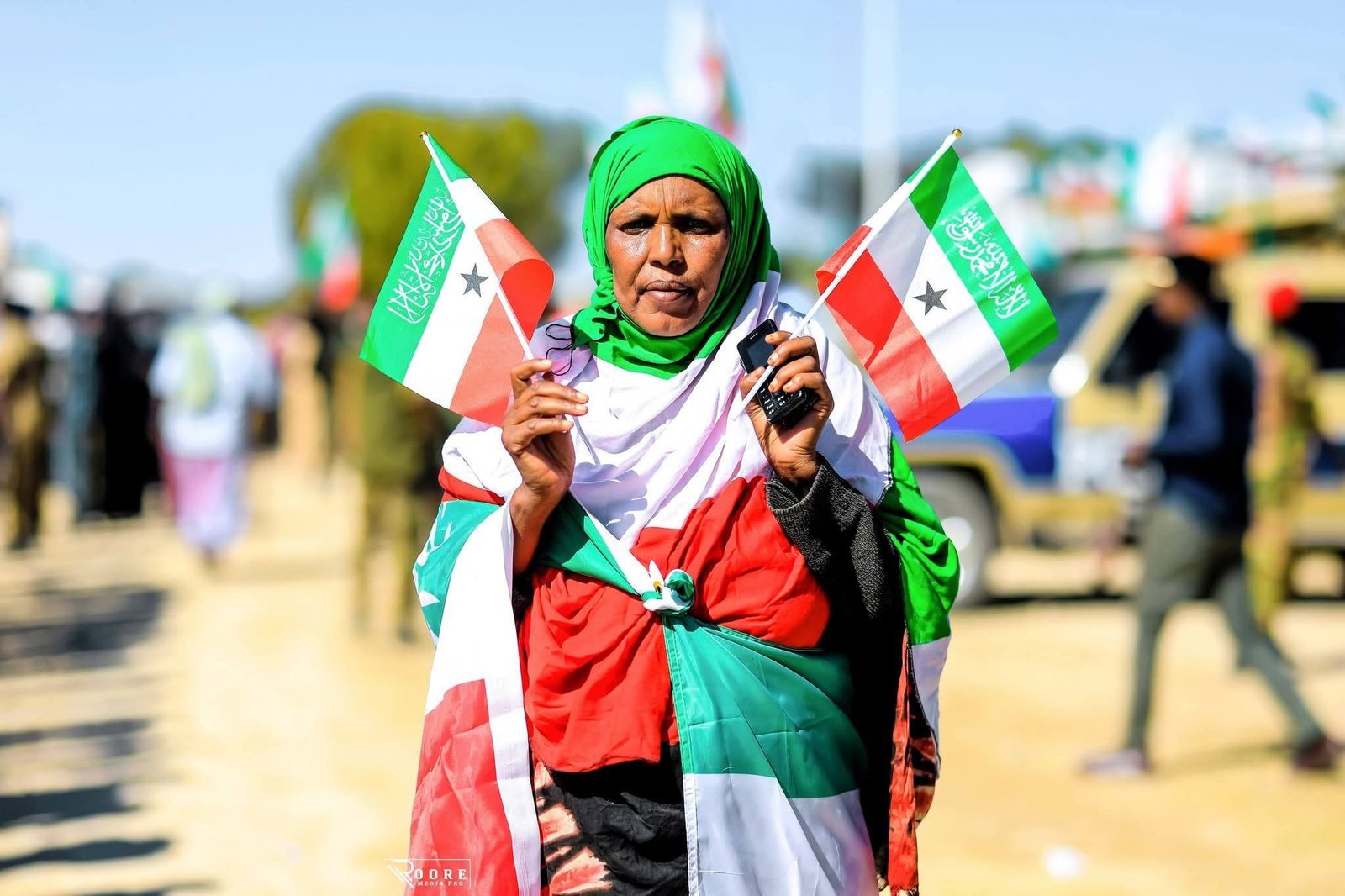
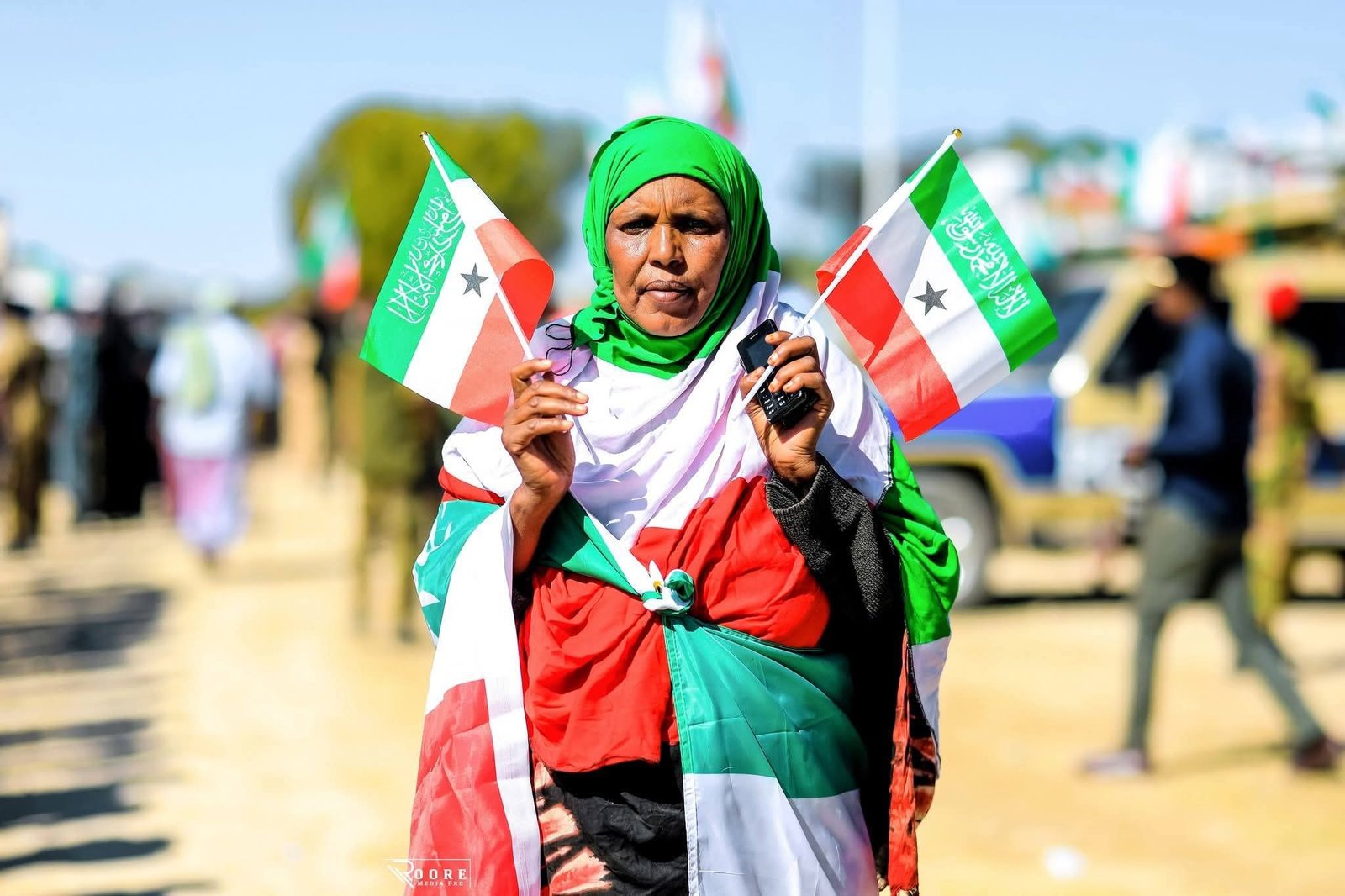
Scenes of celebration filled the streets of Hargeisa this week after Israel formally recognised Somaliland as an independent nation, marking a significant milestone in Somaliland’s three-decade-long pursuit of international recognition.
With this announcement, Israel became the first country to officially recognise Somaliland since it restored its sovereignty in 1991, following the collapse of Somalia’s central government. Somaliland’s leadership described the move as historic, reflecting the aspirations of millions who have built peace, democracy, and functioning institutions despite the absence of international recognition.
A Carefully Watched International Response
Israel’s decision has drawn mixed reactions across the international community. While several countries and organisations expressed concern, Somaliland’s government has emphasised that recognition is not a threat to regional stability, but rather an acknowledgment of political reality on the ground.
Somaliland has operated as a self-governing, peaceful, and democratic entity for over 30 years, maintaining its own elected government, security forces, currency, and legal system — all without direct international assistance.
Israel’s representatives at the United Nations stressed that recognition should be seen as an opening for dialogue and cooperation, not confrontation. Israeli officials made clear that the move does not preclude future engagement between Somaliland and Somalia.
Somaliland’s Case for Independence
Somaliland’s quest for independence is rooted in history, experience, and popular will. Formerly known as British Somaliland, the territory gained independence in 1960 before voluntarily uniting with Italian Somaliland. The union later collapsed amid widespread violence and state failure.
During the late 1980s, the region suffered devastating attacks under the regime of Siad Barre, leaving tens of thousands dead and entire cities destroyed. In 1991, Somaliland withdrew from the union and reasserted its sovereignty.
Since then, Somaliland has charted a different path — building stability, holding democratic elections, and maintaining peace in a region often affected by conflict. Supporters argue that Somaliland has demonstrated the core attributes of statehood far more consistently than many internationally recognised states.
Why Israel’s Recognition Matters
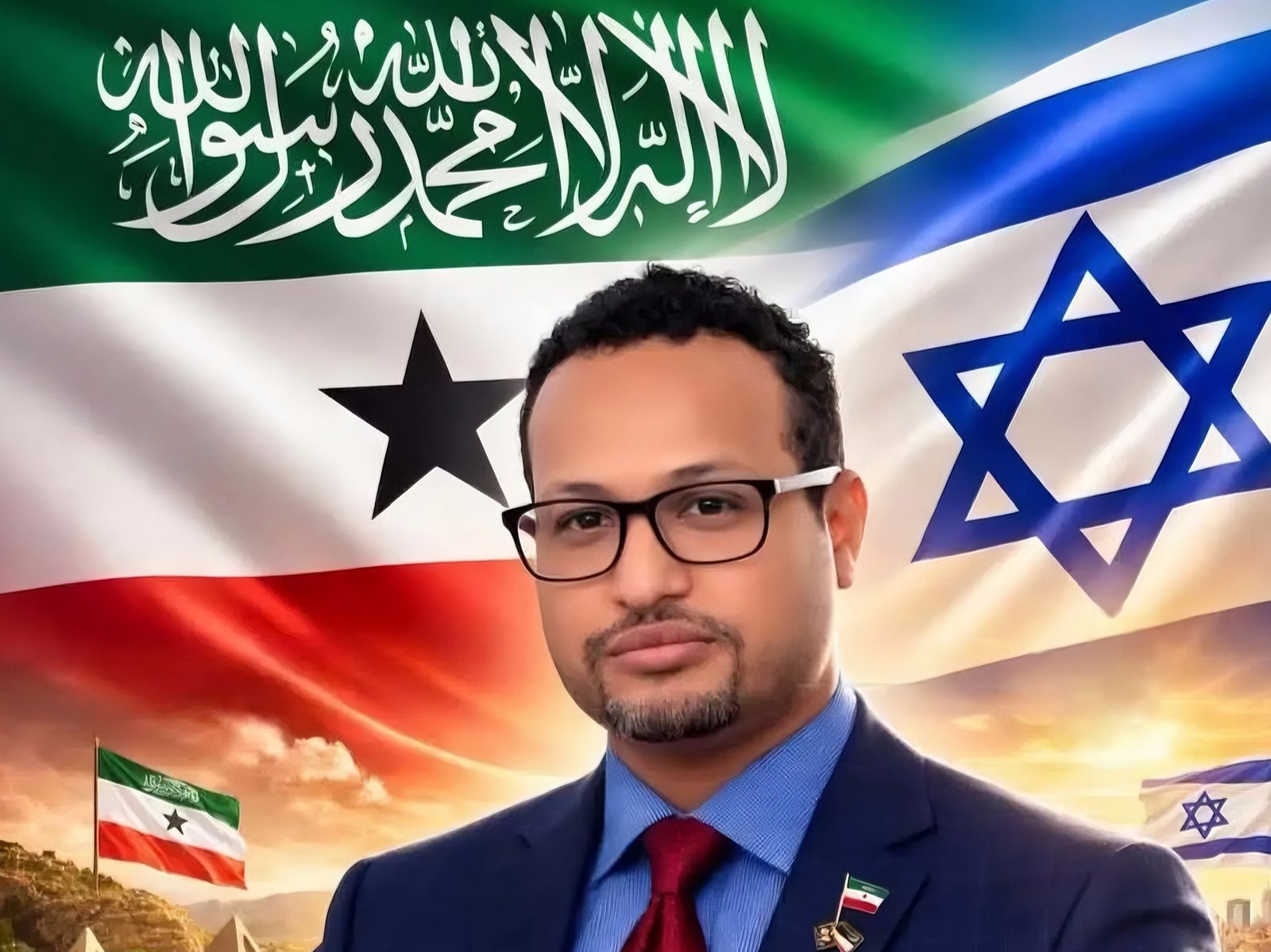
Israel’s recognition is grounded in the principle of self-determination and respect for Somaliland’s longstanding political reality. In discussions between Israeli Prime Minister Benjamin Netanyahu and Somaliland President Abdirahman Mohamed Abdullahi, both sides highlighted opportunities for cooperation in agriculture, health, technology, and economic development.
For Somaliland, this recognition is not merely symbolic. It signals growing international acknowledgement of its governance, stability, and strategic importance in the Horn of Africa — a region vital to global trade and security along the Gulf of Aden.
Looking Ahead
While broader international recognition may take time, Israel’s decision has reignited global discussion around Somaliland’s status. For many Somalilanders, the recognition represents validation of decades of peaceful state-building, resilience, and commitment to democratic governance.
As Somaliland continues to engage with the international community, its leaders maintain that recognition is not about division, but about affirming identity, sovereignty, and the right of its people to determine their future.
Horn Explore
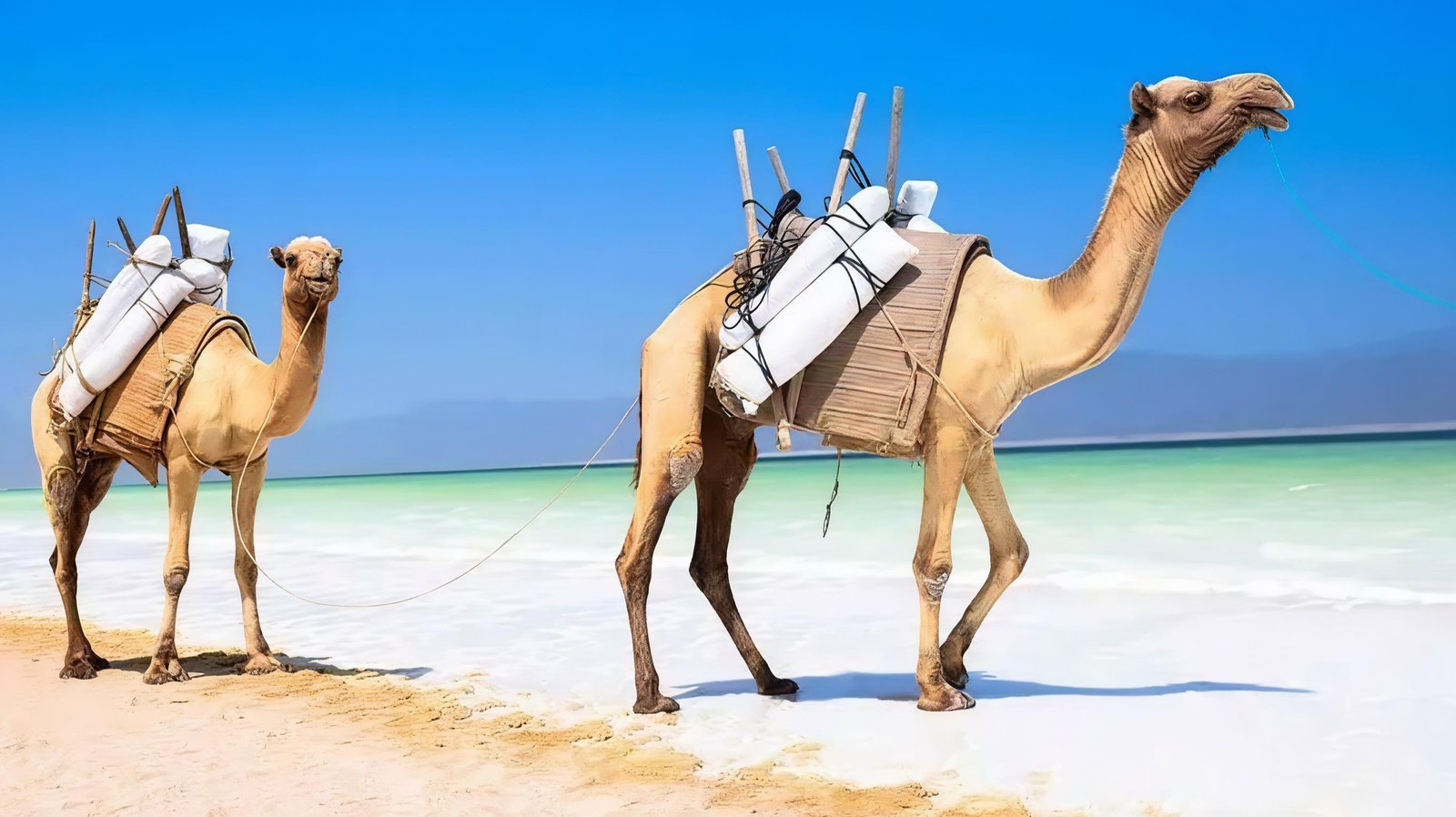
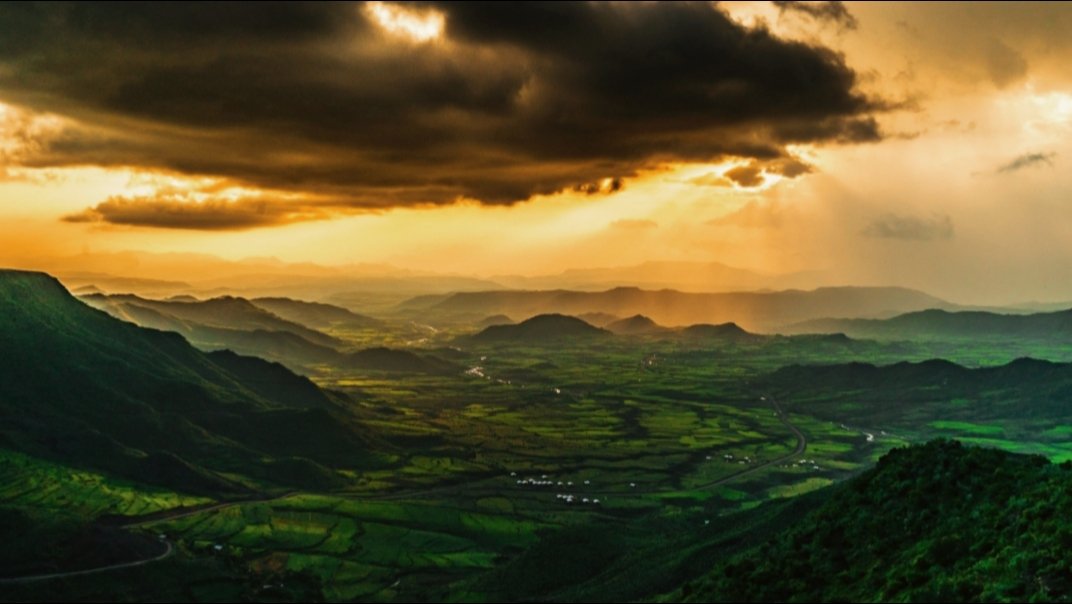
Discover Somaliland beyond politics — a land of history, resilience, and untold stories.


Comment (0)
Leave A Comment: