



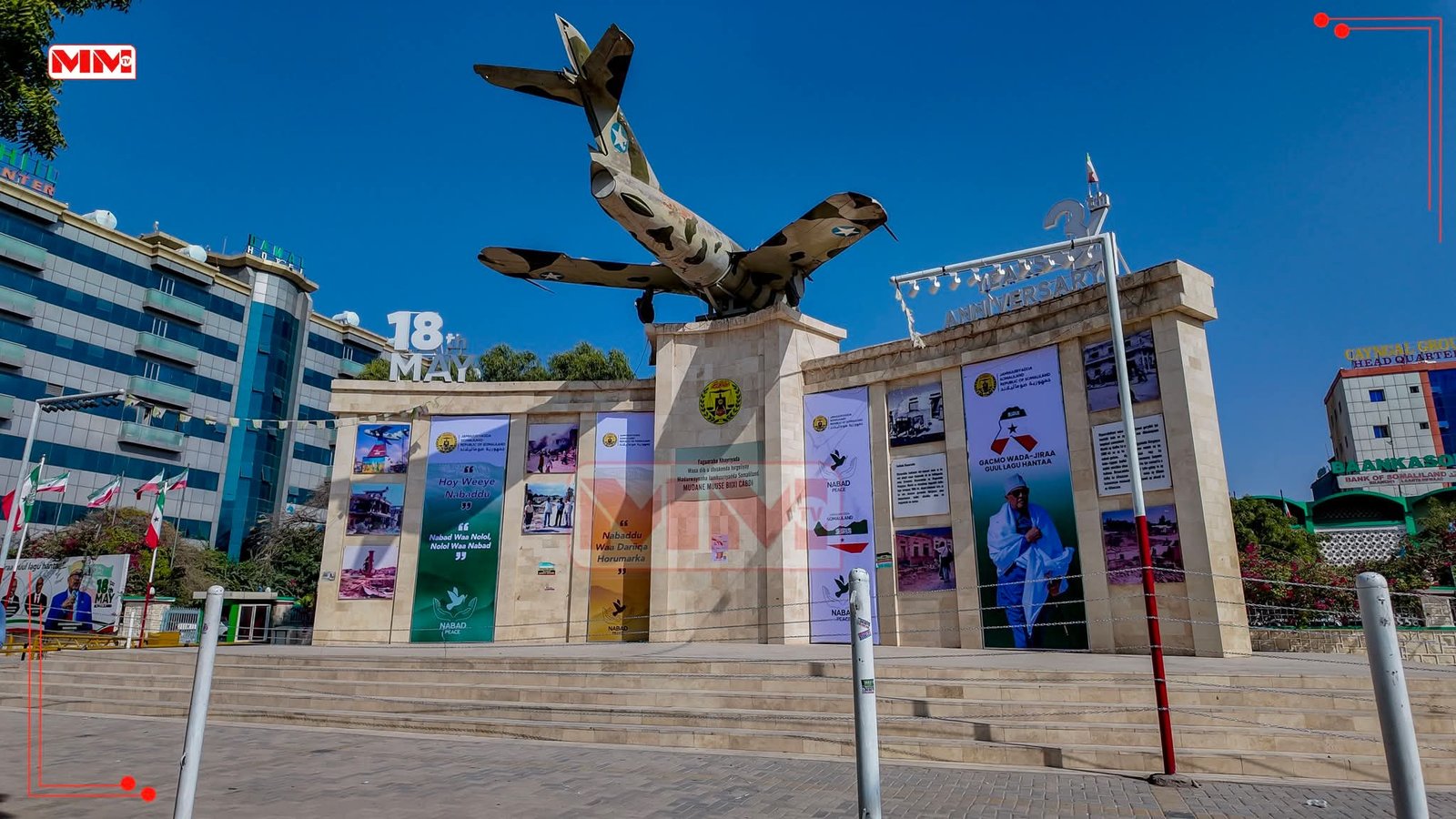

Somaliland: A People’s Struggle to Rebuild Their Country
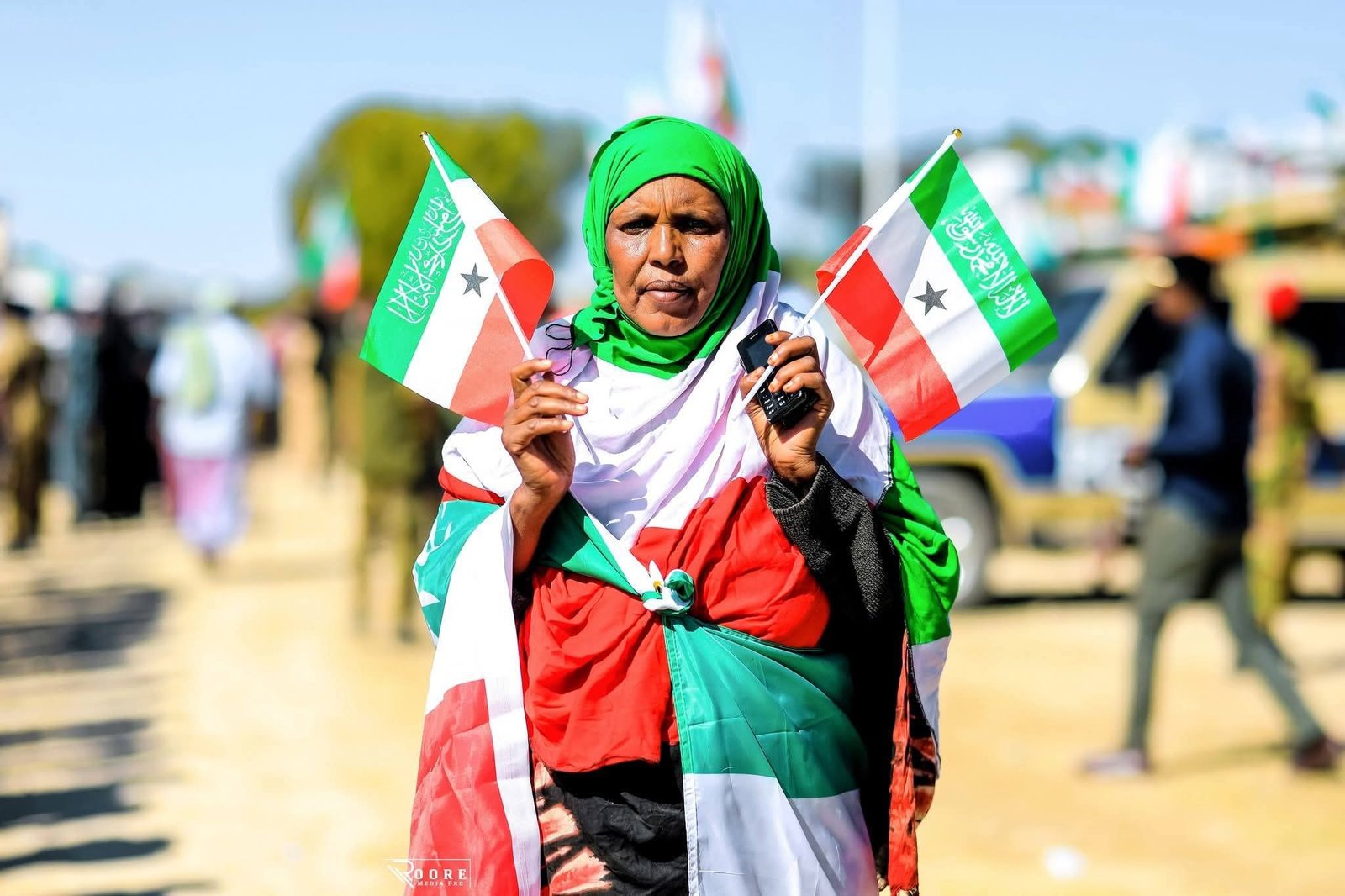
Somaliland’s story is not only about politics or recognition — it is, above all, a story of people. A people who survived destruction, chose reconciliation over revenge, and committed themselves to rebuilding a nation from the ashes.
When Somaliland reasserted its independence in 1991, it inherited a land devastated by war. Cities such as Hargeisa, once vibrant urban centers, were reduced to rubble. Tens of thousands had lost their lives, and many more were displaced. There was no functioning state, no international aid pipeline, and little global attention.
Yet, the people of Somaliland did not wait to be rescued.
Rebuilding Without Recognition
Unlike many post-conflict regions, Somaliland rebuilt itself without international recognition. Communities came together through traditional councils, elders, and local leadership to restore order and trust. Peace conferences were funded largely by local contributions, not foreign donors.
This grassroots approach laid the foundation for lasting stability. Clan reconciliation replaced cycles of revenge, and dialogue became the tool for conflict resolution. Over time, Somaliland formed homegrown institutions — a government, parliament, judiciary, police force, and civil service.
Today, Somaliland issues its own currency, manages its borders, and conducts regular elections. These achievements were not imposed from outside; they were earned through sacrifice and cooperation.
The Spirit of Resilience
Walk through the streets of Hargeisa today and the contrast is striking. Where ruins once stood, businesses now thrive. Markets are full of life, young entrepreneurs launch startups, and students fill universities with ambition and hope.
The diaspora has played a crucial role in this recovery. Somalilanders abroad invested in education, health services, telecommunications, and infrastructure, sending not just remittances but knowledge and skills back home.
Despite limited resources, Somaliland has maintained relative peace for more than three decades in a region often affected by conflict. This stability is not accidental — it is the result of collective responsibility and social cohesion.
A Different Path in the Horn of Africa
Somaliland’s experience offers an alternative model for post-conflict recovery in Africa — one rooted in local ownership, cultural legitimacy, and patience. Instead of relying solely on external solutions, Somaliland trusted its own traditions and institutions.
For many Somalilanders, the struggle to rebuild is inseparable from the desire for international recognition. Recognition is seen not as a reward, but as acknowledgment of what already exists — a peaceful, functioning society shaped by the will of its people.
Looking Forward
The road ahead is not without challenges. Economic limitations, climate pressures, and the absence of formal recognition continue to restrict access to global markets and development finance. Yet, the determination of Somaliland’s people remains unshaken.
Their message to the world is simple: judge us by our actions.
Somaliland stands today not because it was recognised, but because its people believed in rebuilding their country — brick by brick, institution by institution, generation by generation.
Horn Explore
Sharing the real stories of Somaliland — its people, resilience, and journey beyond conflict.

Comment (0)
Leave A Comment: